From Portugal to Spain on Foot: 5 Things the Camino Taught Me
The Camino de Santiago is a network of ancient pilgrimage routes, all leading to Santiago de Compostela in Spain’s northwestern region of Galicia. With many routes, scenery, terrain, and lengths to choose from, each journey is unique. And along every route, you’ll find pilgrims walking for their own reasons.
Some walk for faith, others for personal growth, challenge, or clarity. No matter the motivation, the Camino has a way of teaching you something you didn’t expect.
After spending 10 consecutive days walking with my father—carrying an 18-pound backpack with more than everything I needed and staying in basic lodgings—I walked away with more than just miles behind me. Here are the top five lessons this unforgettable journey taught me.
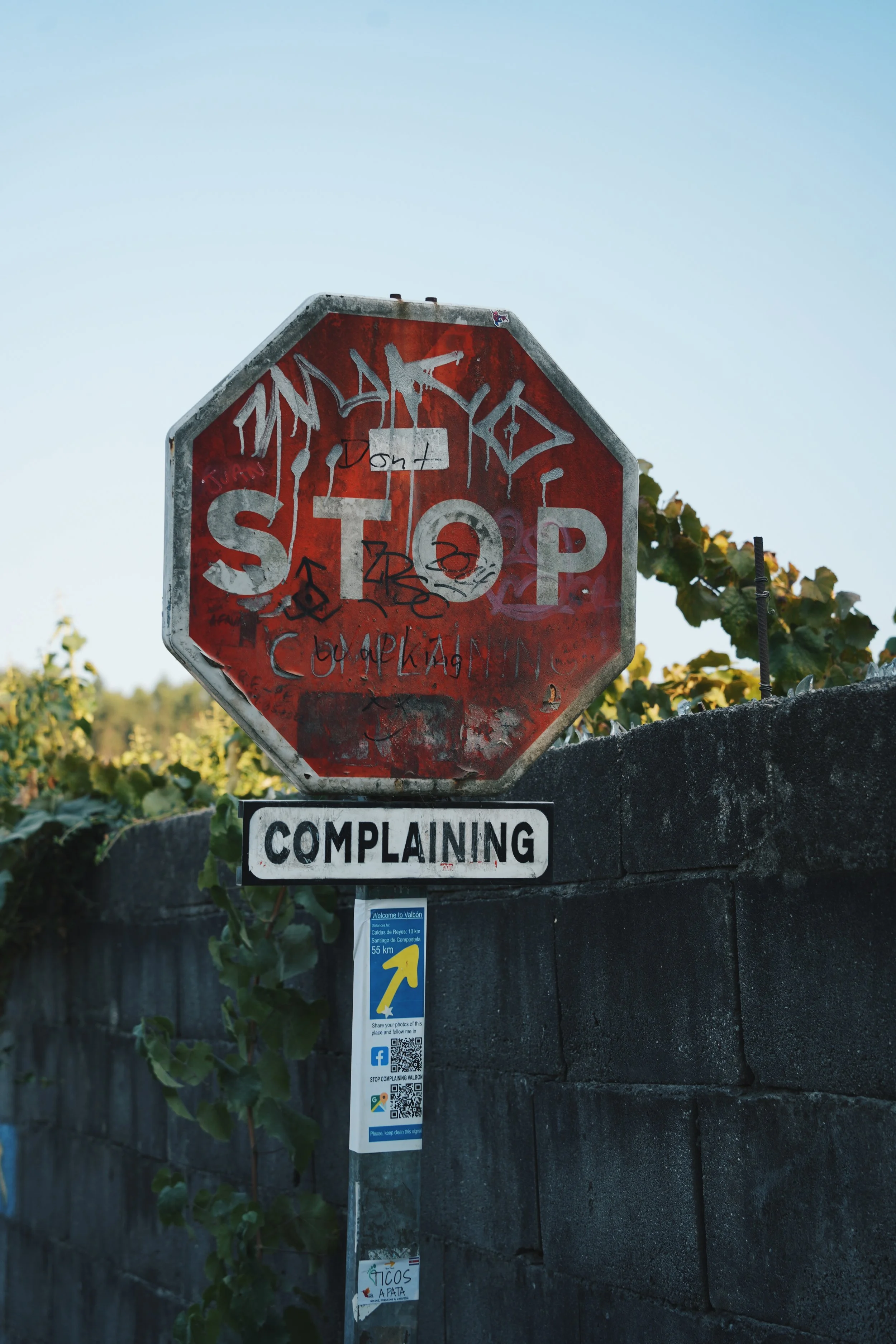
1. Learn To Appreciate What You Already Have
On the Camino, you carry only a small fraction of what you own, and somehow, you will realize that it’s enough, or maybe even too much if you overpacked. You wear the same few outfits and repeat a simple daily routine: walk, eat, rest, repeat.
Physically, it can be tough. Blisters, exhaustion, long days… and yet you keep going. That struggle builds gratitude for your health and resilience. You realize how much your body does for you every day without you even thinking about it. After all, you’re walking a distance that most people choose to cover by a high-speed train or car.
The experience strips life down to its essentials (basic shelter, food, and human connection) and in doing so, you begin to realize that joy doesn’t come from things, but from moments—the people you meet, the views you stumble upon, and the quiet peace that comes with simplicity. As the days pass, you start to feel like you need less and appreciate more. Gratitude begins to replace desire, and instead of focusing on what’s missing, you notice how much you already have.
At home, you might find yourself avoiding a random interaction with a stranger, but on the Camino, connections happen fast and feel genuine. You meet others from all over the world, share stories, and support each other through the journey. It reminds you how valuable human connection really is—and how easy it is to overlook that in everyday life. It’s a friendly reminder to reach out often to the people you care about at home.
Completing the Camino can leave you with a different perspective when you arrive home: you don’t necessarily need more to feel fulfilled—you just need to notice what’s already there.
2. Take A Moment To Really Observe What’s Around You
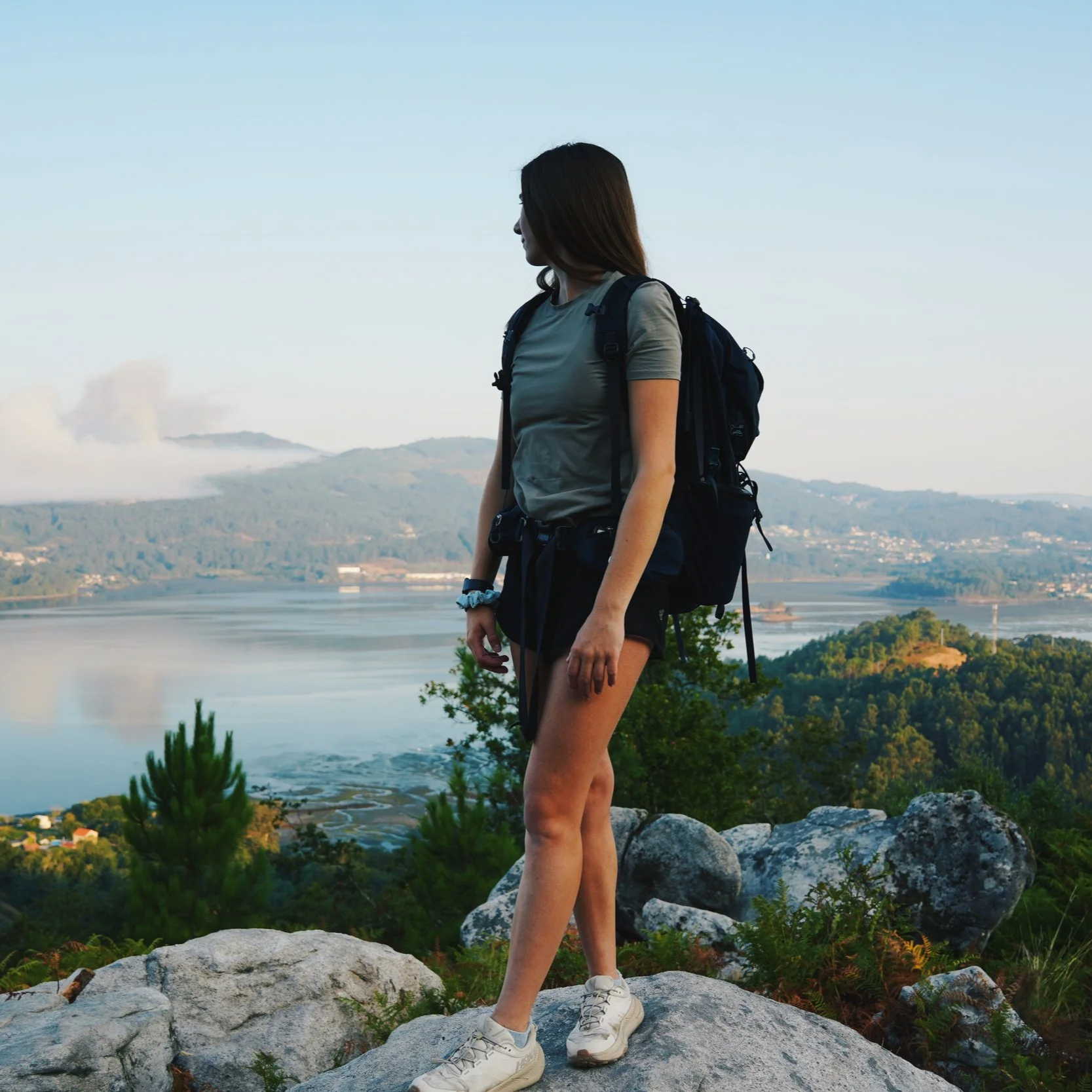
So much of the world’s beauty goes unnoticed because we’re constantly rushing, distracted by screens, or stressing about what else we have to do in our day. On the Camino, you learn to look up and catch details that normally go unseen. You notice the way the colorful flowers blow gently in the wind, you hear the sound of the waves, and you see the kindness in a stranger’s smile.
When you slow down enough to truly observe your surroundings, you begin to see how much beauty exists just steps away from you. Your mind quiets, and you start to experience the world more deeply instead of just moving through it, and understanding that things don’t need to be rushed to be worthwhile. Slowing down brings many benefits: it can reduce stress, create space to reconnect with yourself, sharpen mental clarity, and deepen your appreciation for life’s simple joys- from the beauty of nature to the smallest everyday gestures.
Humans have learned to take speed and convenience for granted, and sometimes we find ourselves angry when we arrive somewhere late or in a slow manner, when a faster alternative was available. After walking the Camino, you will realize that life isn’t just about getting from one place to another, but about actually seeing everything in between.
3. Take Your Time When You Can
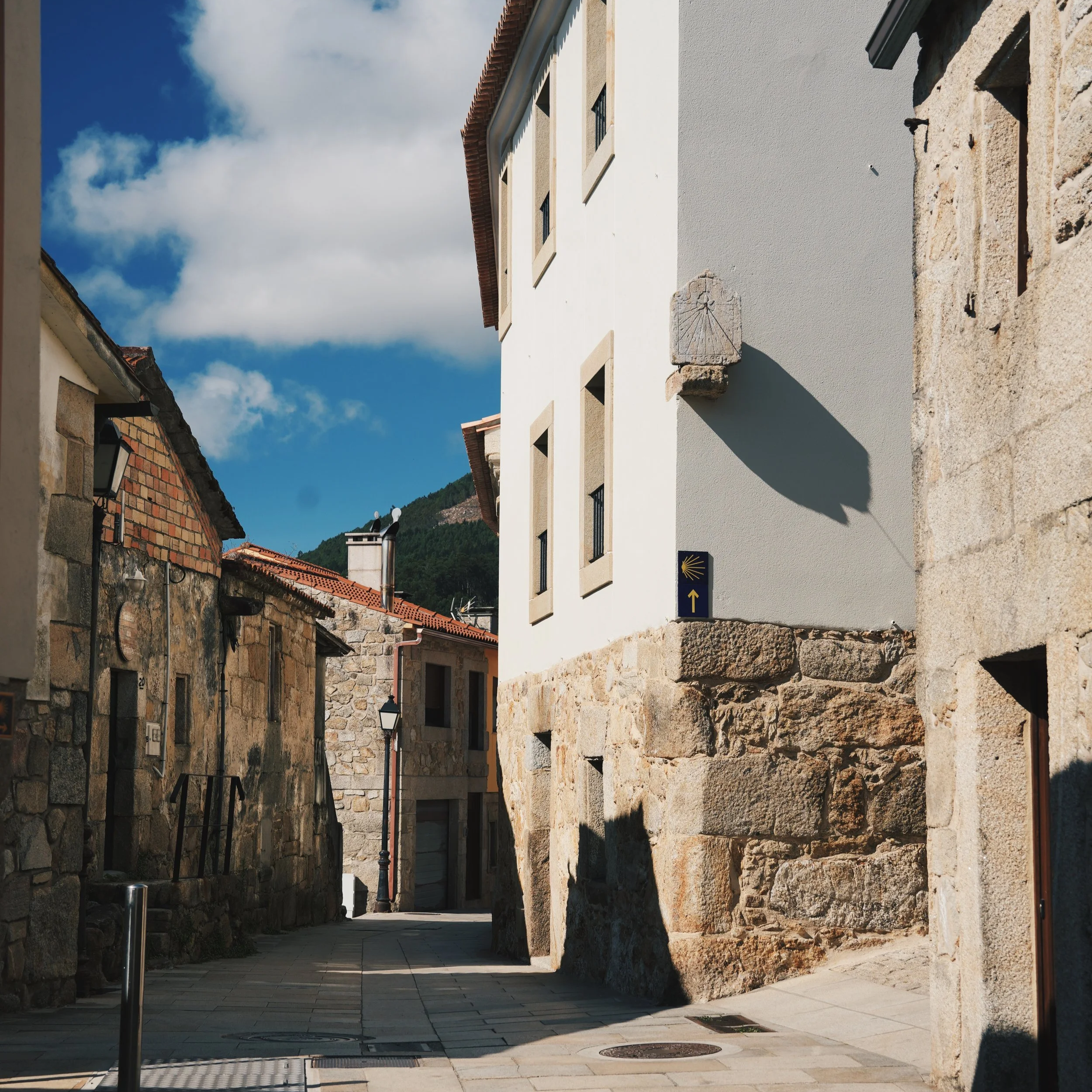
In a world that moves fast, it’s okay—and necessary—to slow down. Walking too quickly often means arriving in your next town early and missing the best parts of the journey. The same goes for life. Pause, breathe, and enjoy where you are instead of always racing toward what’s next. Our bodies and minds aren’t built for constant motion.
At home, we’re often trapped in tight schedules, to-do lists, and the feeling that free time must be filled with “productivity.” But sometimes, resting, moving slowly, and even standing still for a moment is the most productive thing you can do. On the Camino, pausing to drink water, stretch, or simply taking the time to take in your surroundings allows your body to recover, your mind to clear, and your awareness to deepen so you notice details you would have missed while rushing.
You will find calmness when you make time to stop and talk to a stranger, slowly sip your coffee at a cafe, or sit on a bench watching the waves crash.
4. You Are Right Where You’re Meant To Be
It’s easy to measure your journey against someone else’s—to wonder if you should be walking faster, starting earlier, or taking fewer breaks. But in the end, you realize that no two paths are the same, even when they lead to the same destination.
Some pilgrims take detours, drawn by curiosity or necessity. Others move quickly, covering long distances each day, while some take their time. Some walk for four days, and others walk for forty. Yet, despite the differences, everyone eventually stands in the same place- Santiago de Compostela.
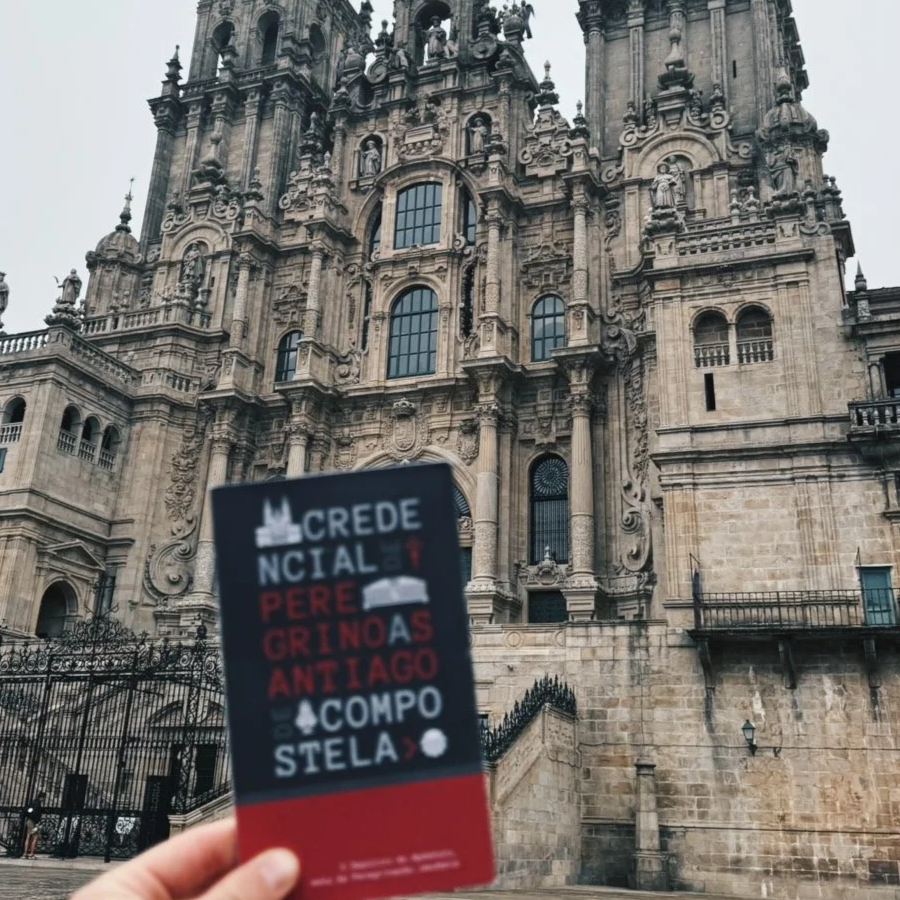
When you reach the cathedral in Santiago, you’re surrounded by people whose journeys look nothing like your own. You could focus on the contrasts—the miles walked, the routes taken, the time it took to arrive. But in that moment, none of it really matters. What matters is that you made it. In your own way, in your own time.
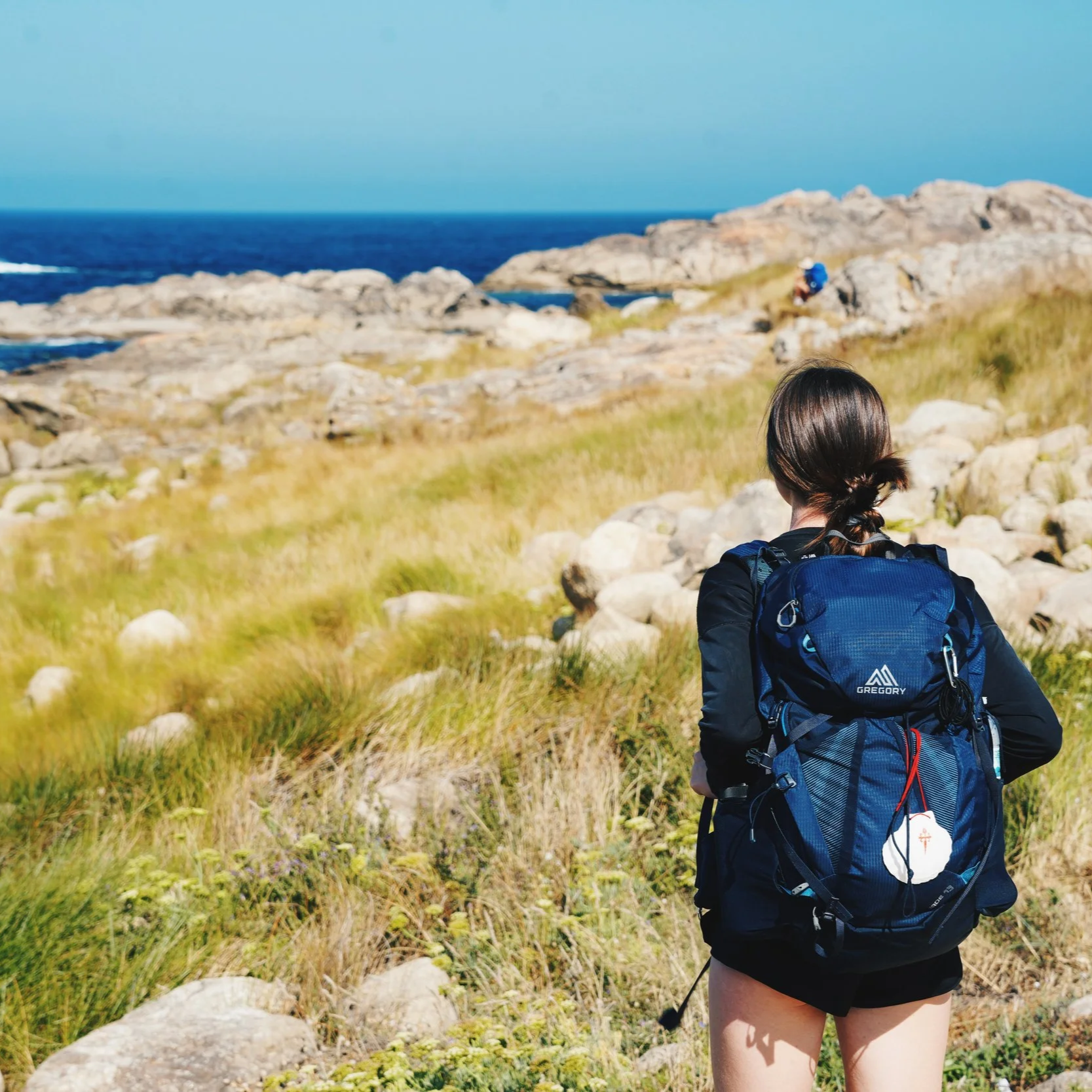
The scallop shell, the enduring symbol of the Camino, captures this truth perfectly. It’s many lines begin far apart, each following its own course, yet all converge at a single point. Just like the pilgrims who carry it, every path—no matter how winding or direct—leads exactly where it’s meant to.
Trust your path. Trust your pace. Trust that you are exactly where you’re meant to be.
5. Progress Takes Time, and Every Small Step Matters
Some days on the Camino feel endless and are full of “Are we there yet?" The trail stretches on, your knees ache with every step, and your sore feet remind you of just how far you still have to go. It’s tempting to focus on the distance ahead, to wonder if you’re moving fast enough or if the effort is worth it.
But the Camino has a quiet way of teaching you otherwise.
You keep going. One step, then another. Not because it’s easy, but because stopping doesn’t feel right. And somewhere along the way, you begin to understand that progress isn’t about huge leaps forward—it’s about consistency. It’s about showing up, even when it’s hard.
Growth happens in those small, almost invisible moments. In choosing to continue despite the discomfort. In realizing that even the slowest steps are still carrying you forward.
And when you finally reach Santiago de Compostela, it’s not just the distance that stays with you. It’s the memory of everything it took to get there—the perseverance, the resilience, the quiet strength you didn’t know you had.
Because the Camino was never just about arriving. It was about becoming.
And every step, no matter how small, mattered and got you to the finish.
If you ever get the chance, walk the Camino de Santiago. It’s not just a trail, but it’s an experience that grounds you, challenges you, and brings to perspective what truly matters. You’ll finish with sore feet, a full heart, and a new take on life that stays with you long after you’ve gone home.
To those planning on walking it, Buen Camino.
